


A WPC assemble door is exactly what the name suggests: a door that travels as a set of matched parts and becomes a complete door once it reaches the opening. The frame, the shutter, the architraves and the hardware are produced to fit one another at the factory, then packed so they can be carried through a finished building, up a stairwell or into a narrow service lift without the dents and corner damage that come from moving a fully built leaf.
We have spent years extruding and finishing wood-plastic composite profiles, and the assemble format is still the one we recommend most often to contractors, door workshops and project buyers. It keeps material quality under factory control while leaving the final fit to the people standing in front of the actual wall.
What Actually Arrives in the Kit
An assemble door set usually falls into four groups. The frame comes first: extruded WPC jambs in the profile series that matches your wall thickness, cut to the ordered height. Then the leaf or core panel, which is the visible face of the door. Architraves follow, in flat or curved profiles, to close the joint between frame and plaster. Finally the hardware pack: hinges, a lock or latch, and a seal strip for the rebate.
Because every part is drawn from the same production batch, colour and surface texture stay consistent across frame, architrave and leaf. That match is difficult to recreate when components are bought from separate suppliers, and it is the single most common reason buyers move from mixed sourcing to a single kit.
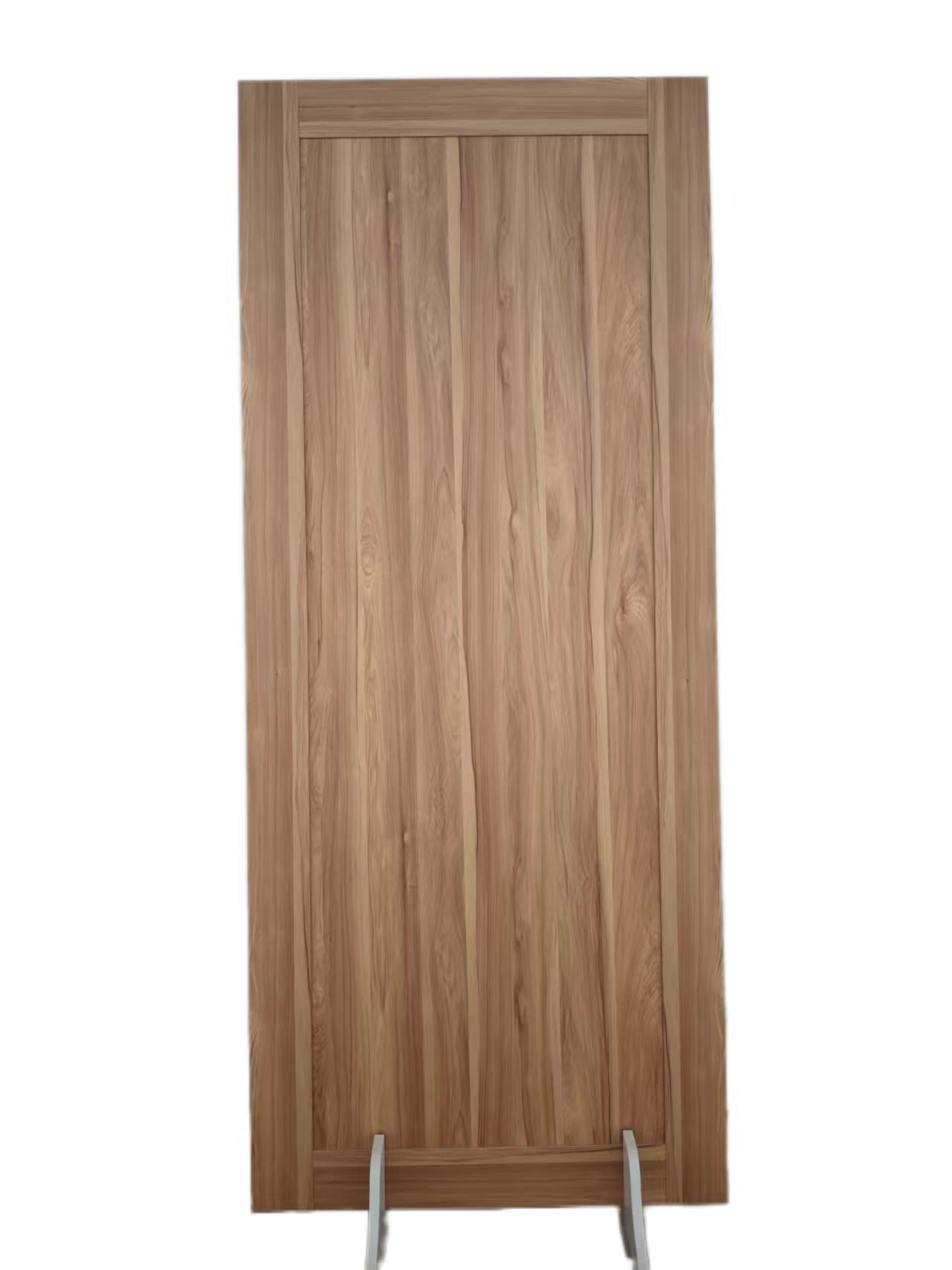 Classic WPC Assemble Door LA-01A customizable WPC assembled door with carved modern detailing and consistent surface quality, suited to residential and commercial interiors seeking durable decorative doors.View Product →
The Parts and What Each One Does
The table below is the short version of what we walk new buyers through on a first call. It is not a specification sheet, but it covers the decisions that cause the most back-and-forth later.
| Part | What we typically supply | What to confirm before ordering |
|---|---|---|
| Door frame | A-type profiles for 40 mm walls in 100, 140, 180 and 220 mm widths; B-type and U-channel options | Finished wall thickness, opening height, and whether the frame sits flush or with a reveal |
| Core panel | Panels at 730, 830, 930, 1030 and 1100 mm widths for home and workplace use | Clear opening width, leaf thickness, and the swing direction |
| Architrave | Flat or curved WPC profiles, off-white and matched decor finishes | Wall surface type and how much coverage the plaster edge needs |
| Hinges | Brass and iron hinge options with matching screw packs | Leaf weight, expected traffic, and whether the door needs to self-close |
| Lock or latch | Several lever and cylinder sets, plus bathroom latches | Backset, handing, and whether a thumb-turn or key is required |
| Seal strip | Flexible strip for the stop rebate | Gap size after hanging and whether acoustic or smoke performance is needed |
The panel choice deserves a second look. A 930 mm core panel is the workhorse for standard interior openings, while the wider 1030 and 1100 mm panels suit double-leaf or oversized rooms. Narrower panels keep the leaf light enough for frequent use in apartments and offices.
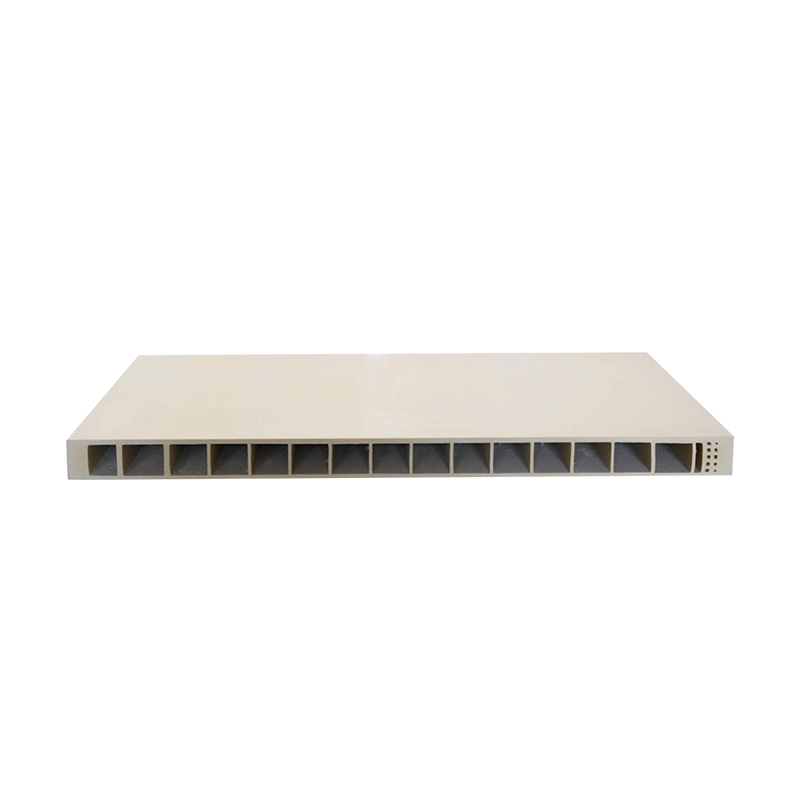 930×35 mm WPC Core Panel for Assemble DoorsA 35 mm high-density WPC core panel with a stable, warp-resistant structure, smooth easy-clean surface and sound insulation for assembled residential and commercial doors.View Product →
Why Assembly Doors Suit Real Job Sites
Site conditions are rarely ideal, and a door that arrives in pieces can absorb problems that a finished leaf cannot.
- Transport damage drops sharply, because frames and leaves travel flat and separately.
- Parts can be carried through finished corridors and into upper floors without a lift large enough for a built door.
- Site trimming is possible on the frame, not on a coated leaf, so the surface stays intact.
- Replacement is simple: a damaged panel can be swapped without removing the frame.
- Storage is compact, which matters on projects where handover dates shift.
Composite material also behaves well where humidity swings. It does not swell like solid timber, and it holds its shape in bathrooms, kitchens and coastal projects when the frame is properly sealed at the base.
Choosing the Right Configuration
Start with the wall, not the door style. Measure the finished wall thickness at three points, because plaster depth varies more than most drawings admit. That number decides whether you need an A-type frame, a B-type frame or a U-channel section.
Next, decide the look. A classic assemble door pairs a simple flat or stepped architrave with a plain or lightly moulded leaf, which suits rental apartments, hotels and renovation work where the door should blend in. Modern minimalist schemes go further: a flush flat leaf with a narrow architrave and hidden fixings gives a clean line that reads as part of the wall.
Finish is the third decision. PVC film gives a durable, wipe-clean surface for busy areas, while melamine decorative paper opens up a much wider range of woodgrain and stone effects. Both can be matched to the frame and architrave from the same shade card, which is where a single-supplier kit saves the most time.
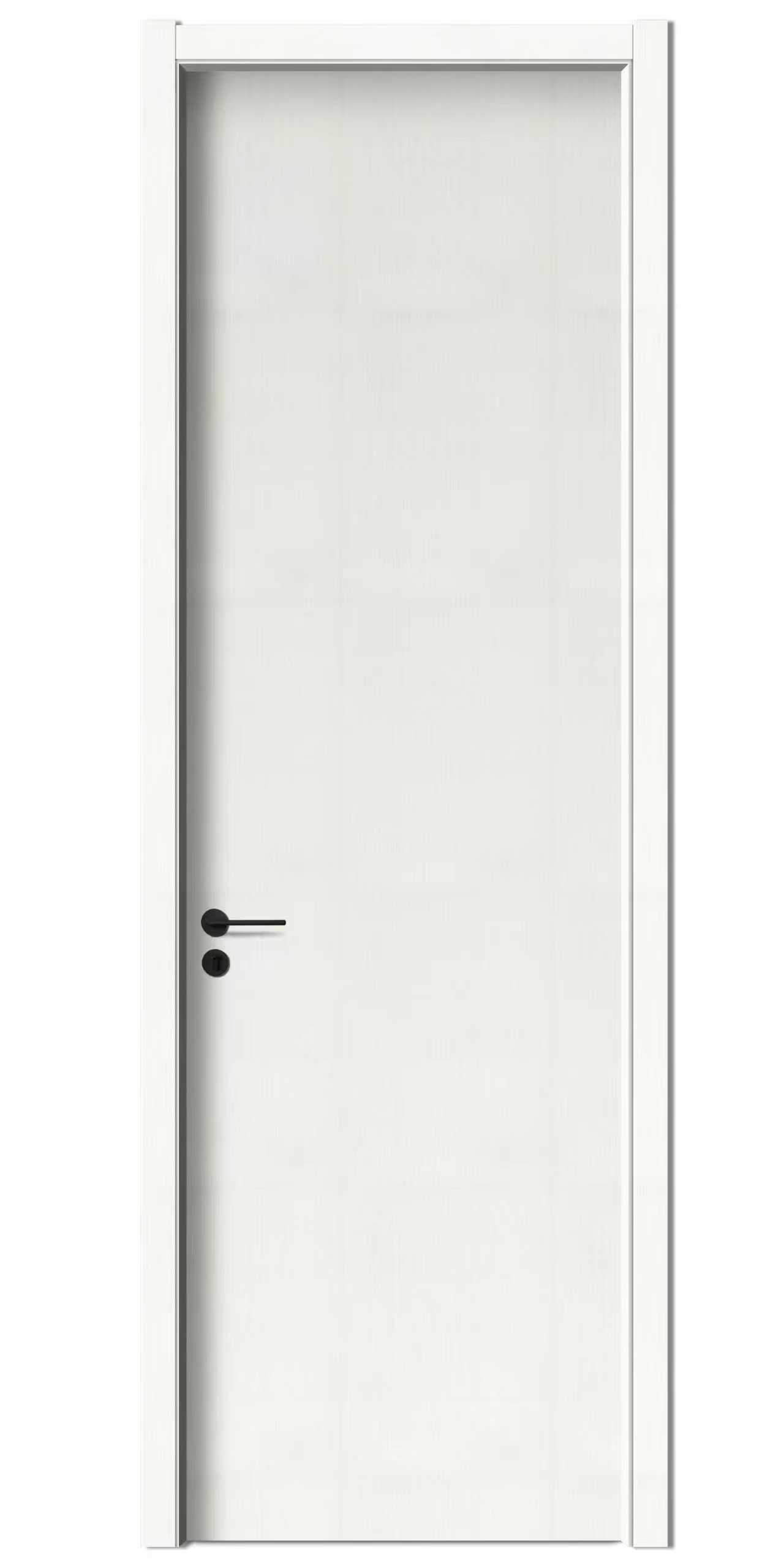 Modern Minimalist WPC Flat Door LP-01A customizable white WPC flat door with subtle wood texture, moisture-resistant construction and a lightweight solid or semi-solid core for modern residential and commercial interiors.View Product →
A Fitting Sequence That Works
Most installation problems trace back to a skipped check rather than a faulty part. This is the order we suggest to fitters:
- Check the opening for plumb, level and square, and confirm the finished floor level.
- Dry-assemble the frame on the floor and confirm the diagonal measurements match.
- Set the frame into the opening with temporary wedges, keeping the head level.
- Fix through the jamb into the wall, then re-check plumb before tightening fully.
- Hang the leaf on the hinges and check the gap at head, stile and floor.
- Mark and cut the lock position using the template supplied with the hardware.
- Fit the handle, cylinder and strike plate, then test the latch engagement.
- Fill the frame-to-wall joint, fit the architrave, and seal the base against wet cleaning.
If you want a longer walk-through of the reasoning behind each step, our team has written a plain-spoken guide to assembly benefits and fitting that covers the same ground in more detail.
Where Our Experience Helps
Our factory runs more than twelve WPC door extrusion lines and ten coating lines, with capacity for roughly 300,000 WPC door sets a year. That volume matters less than what sits behind it: incoming material checks, supplier audits and batch comparison, so the frame you reorder next season matches the one you fitted this season.
For buyers working to a programme, domestic orders typically leave within 24 hours and export orders within a week, supported by an ERP system that keeps specifications attached to each order. It is a practical arrangement rather than a dramatic one, and it is what keeps repeat projects running smoothly.
If you are weighing up an assemble door for a specific opening, send us the wall thickness, opening size and the finish you have in mind. We will tell you which profile and panel combination fits, and flag anything in the drawing that looks likely to cause trouble on site. You can reach the team through our contact page and we will come back with a straight answer.


